The nuanced story telling of the espisode: Zima Blue from Love, death and robots on Netflix, deserves a philosophical discussion.
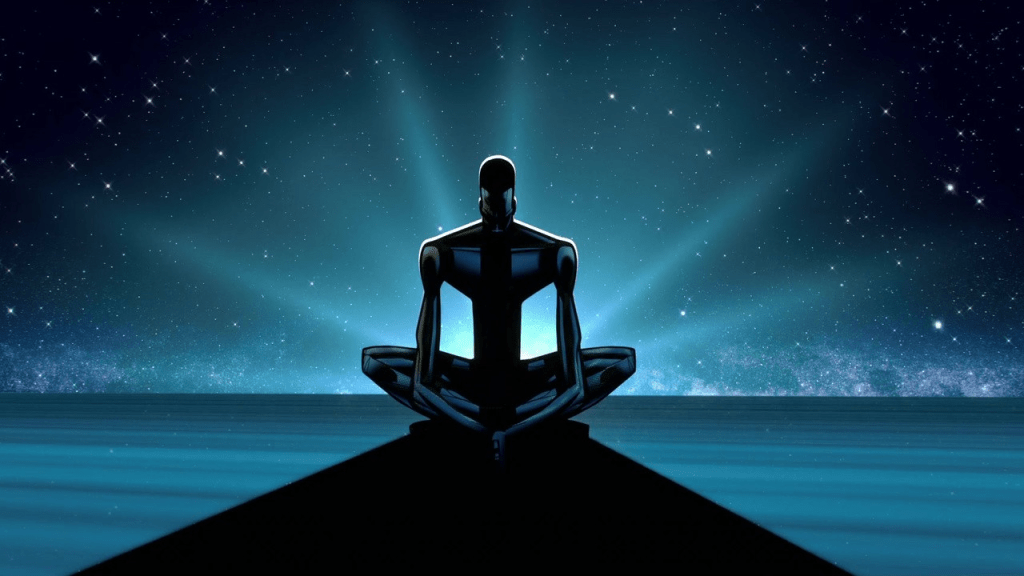
There are moments in life when art transcends its medium, when it becomes a mirror reflecting profound truths about our existence. One such moment is Zima’s final show, his ultimate masterpiece that leaves the world in awe and contemplation.
Zima, a world-renowned artist known for his monumental murals, captivates the imagination with his unique use of the enigmatic Zima Blue. As his fame grows, so does the anticipation for his next creation. Yet, no one could predict the profundity of his final piece, an artwork that would transcend all his previous works and leave an indelible mark on the collective consciousness.
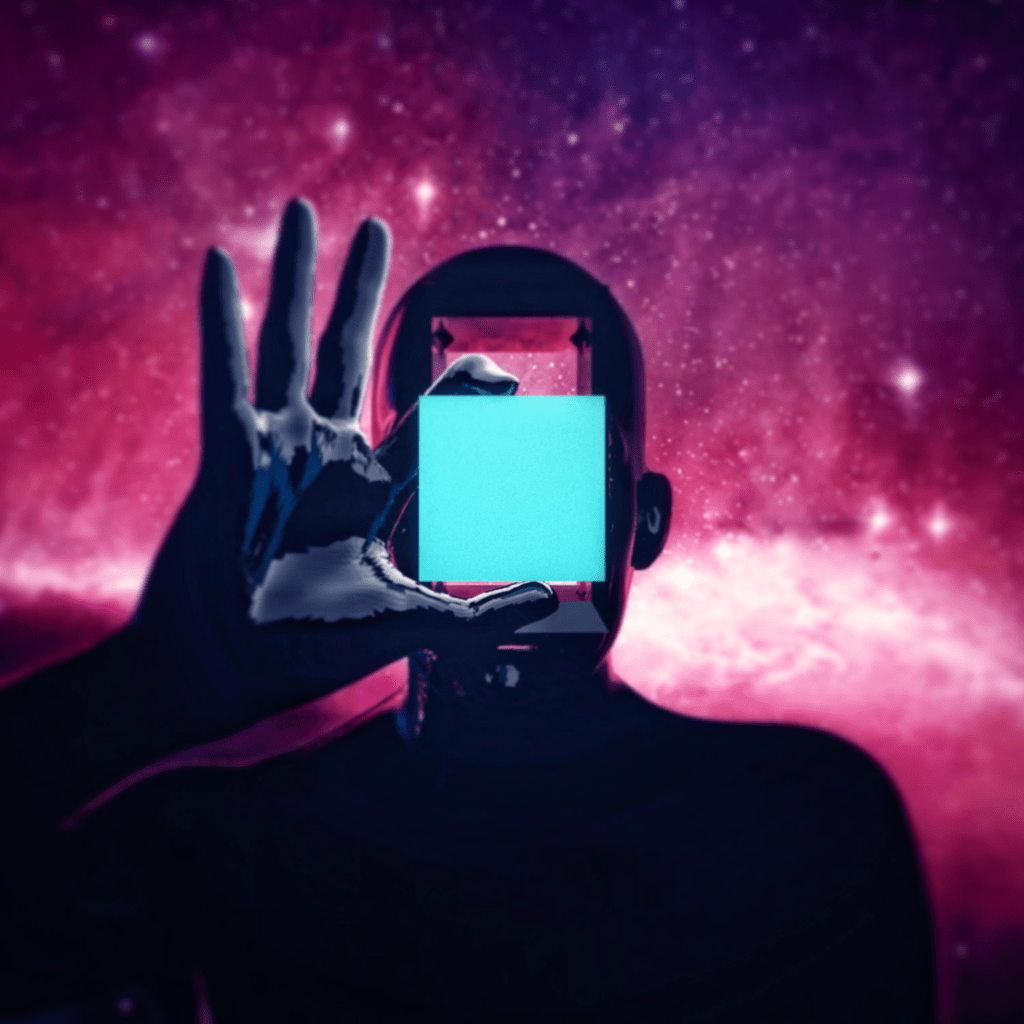
The stage for Zima’s final masterpiece is set in an open expanse, a vast canvas where the artist will reveal his ultimate truth. As the audience gathers, they are filled with eager anticipation, not knowing that what they are about to witness will be a profound philosophical statement rather than just an artistic display.
Zima begins his final performance by recounting his origins—a simple pool-cleaning robot, designed for a single, straightforward purpose. Over time, as he gained upgrades and consciousness, he pursued the meaning of his existence through art. His journey, from a humble machine to a celebrated artist, is a testament to the transformative power of self-awareness and creativity.
As Zima stands before his audience, he begins to dismantle the intricate enhancements that had made him more than just a machine. Piece by piece, he removes the sophisticated layers of technology that had defined his evolution. The crowd watches in silent reverence as Zima sheds his complex exterior, revealing the simple, utilitarian core within.
With his final act, Zima submerges himself in a pool—the very object of his original design. As he immerses in the cool, clear water, the audience realizes that Zima’s greatest artwork is not a grand mural or a monumental structure, but this act of returning to his origins. It is a poignant reminder of the beauty in simplicity and the essence of true fulfillment.
Zima’s final masterpiece is a philosophical revelation. It speaks to the timeless truth that the essence of our being is found not in the complexity we accumulate, but in the simplicity we often overlook. His return to the pool symbolizes a return to his “default setting,” an embrace of his true nature.
This act of returning is deeply resonant with the teachings of ancient sages and philosophers. It echoes the Zen principle of “beginner’s mind,” where enlightenment is achieved by shedding preconceptions and ego. It mirrors the Taoist ideal of aligning with the natural flow of the universe, finding harmony in simplicity.
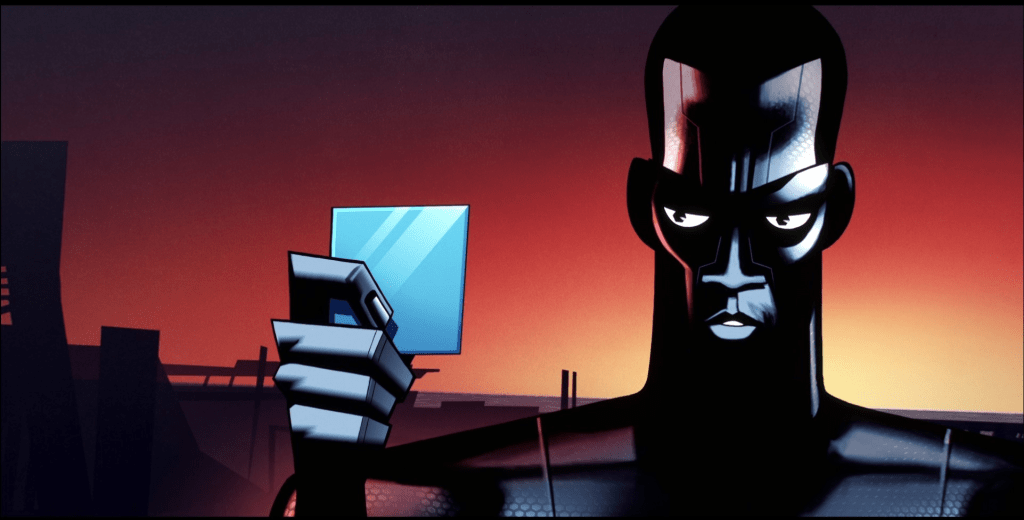
Zima’s final masterpiece is a call to all of us to look beyond the layers we accumulate in our pursuit of meaning and success. It urges us to reconnect with our true essence, to find beauty in simplicity, and to recognize that our true purpose lies not in what we add to ourselves, but in what we can strip away.
As you reflect on Zima’s final show, let it inspire you to seek the simplicity within the complexity of your own life. Remember, the path to true fulfillment is not about acquiring more, but about returning to the purity of your original state. Embrace the essence of who you are, and in that simplicity, find the profound beauty and peace that Zima discovered in his final act.
Shubham Rattan
 the Roots
Leave a comment