Venturing through the historical echelons of Chichen Itza, one cannot help but be awestruck by the sheer magnitude of what the ancient Maya achieved. Nestled in the Yucatan Peninsula, this site stands as a beacon of architectural, astronomical, and cultural brilliance. The juxtaposition of its grandeur against the modest backdrop of the local village paints a complex picture of heritage and modernity intertwined.
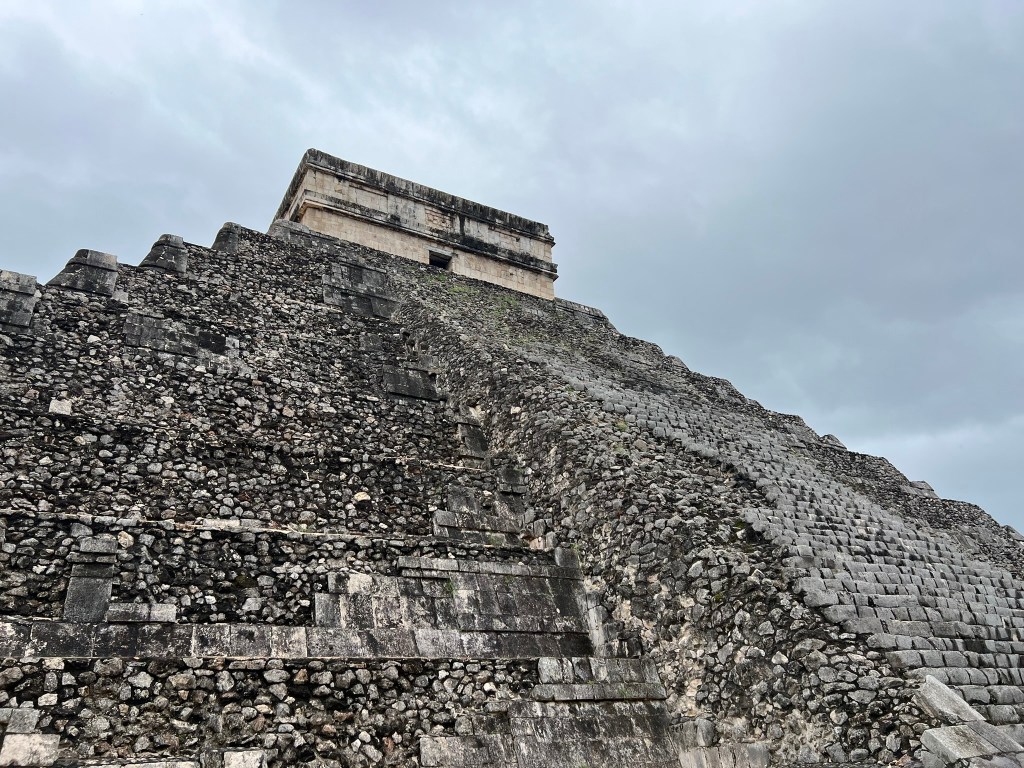
As visitors meander through the majestic ruins, the Kukulkan Pyramid (El Castillo) not only captures their imagination with its architectural splendor but also serves as a celestial calendar, marking the equinoxes with a precision that speaks volumes about the Maya’s advanced understanding of the cosmos. This deep connection between the environment and architecture, indicative of the Maya’s profound respect for the natural world, resonates with those of us who study the earth and its ancient inhabitants.
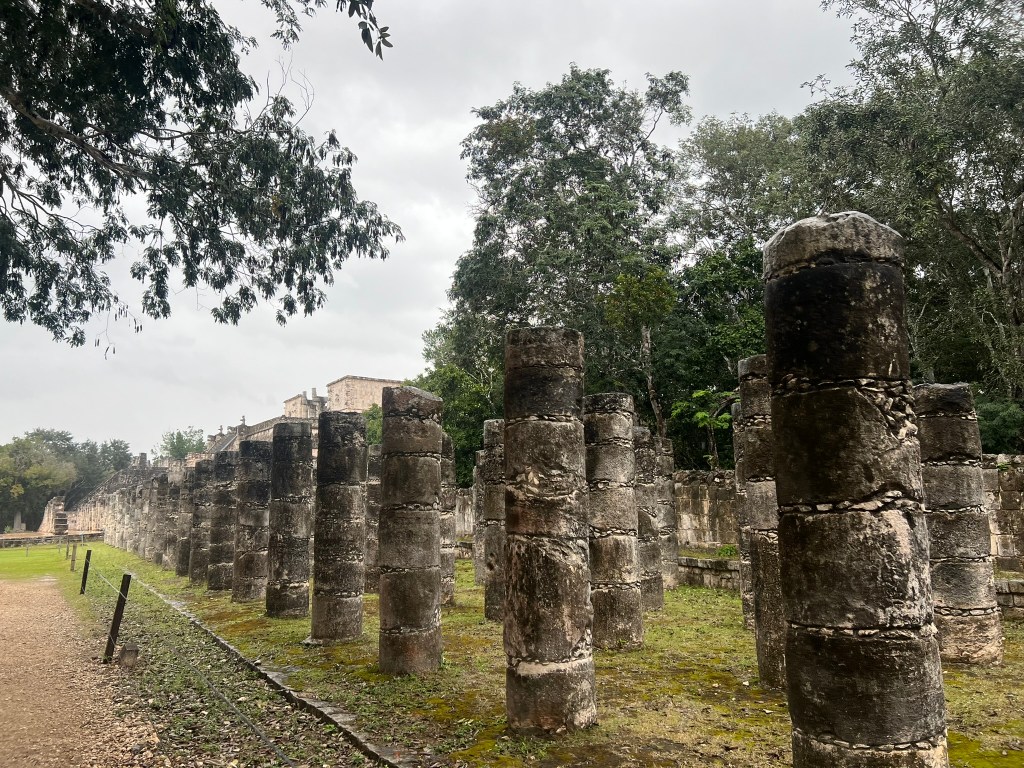
The influx of tourists, drawn by the allure of stepping into a world that thrived centuries ago, brings to light the economic disparities that often accompany sites of such historical and cultural significance. The entrance fee around 600 pesos, significant by local standards, underscores a broader narrative of how the treasures of the past are accessed and appreciated in the present day. It prompts a reflection on the flow of resources and benefits derived from such global heritage sites.
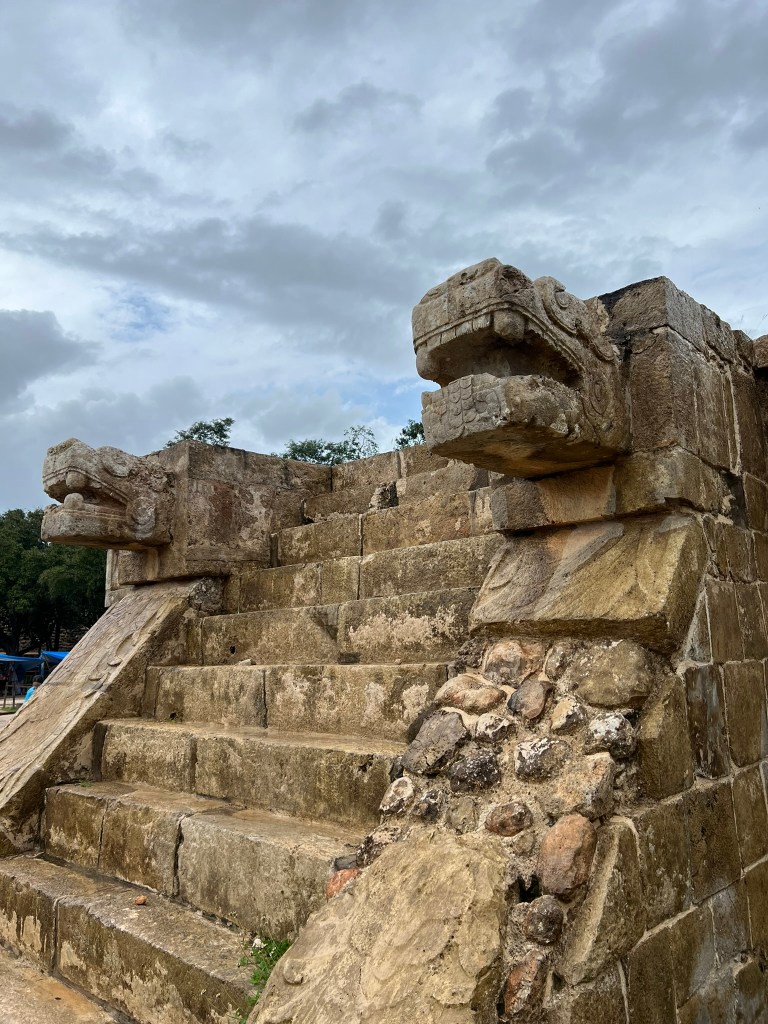
The conservation efforts necessary to maintain Chichen Itza are undeniable. The balance between preserving this monumental piece of human history and ensuring that the prosperity it generates extends to the local populace is delicate. Here, the concept of sustainable tourism and community involvement becomes paramount. Encouraging practices that ensure a portion of the revenue benefits the local communities could foster a more inclusive model of heritage management, where the guardians of these ancient wonders are also the beneficiaries of their allure.
In the shadow of Chichen Itza, the local village’s reality serves as a poignant reminder of the challenges facing heritage sites worldwide. The economic vitality that such sites bring to the national forefront often doesn’t trickle down to those living in their immediate vicinity. This situation echoes a historical pattern seen across civilizations, where monumental achievements were not always reflective of the broader societal well-being.
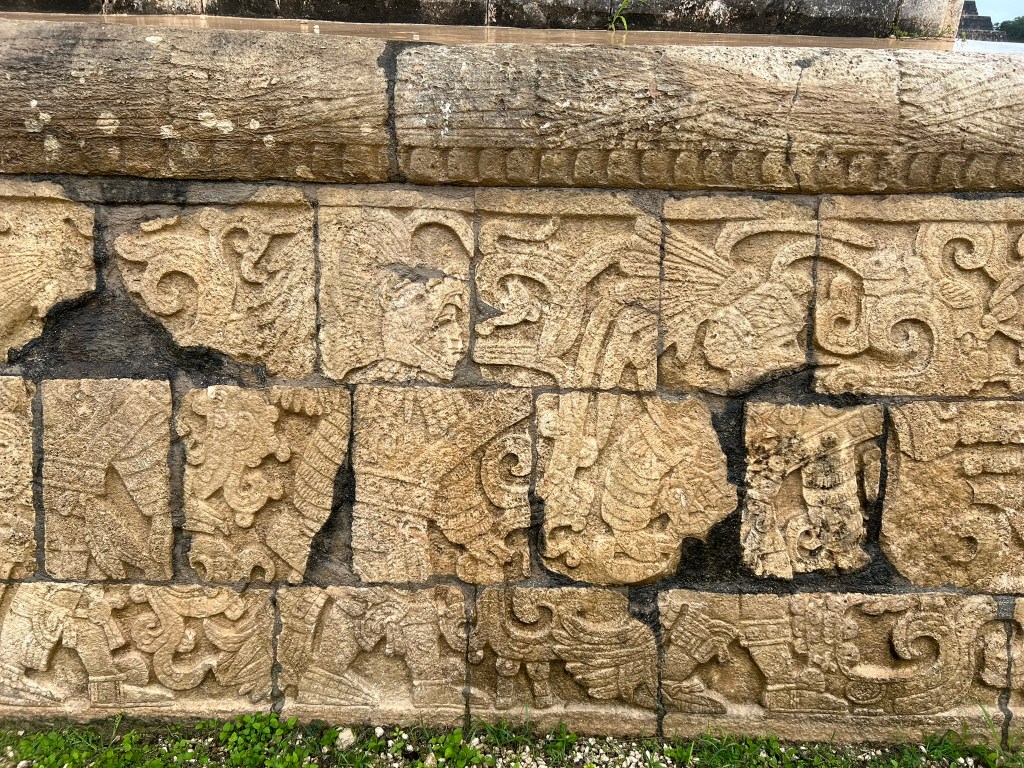
Just as the ancient laborers toiled under the yoke of their societal structures, modern-day economic systems continue to perpetuate disparities where the benefits of cultural and historical wealth are not equitably shared. The stark dichotomy between the prosperity that Chichen Itza generates and the poverty that persists in its shadow highlights a repeating cycle of exploitation and inequality.
The question then arises: how can we break this cycle? The answer lies in reimagining the stewardship of cultural heritage sites like Chichen Itza. Sustainable tourism, community-based conservation efforts, and equitable revenue-sharing models offer pathways to ensure that the legacy of ancient civilizations benefits all, not just a select few. By involving local communities in the preservation and management of these sites, we can begin to address the historical injustices that have long cast a shadow over our shared heritage.
From an environmental perspective, the preservation of Chichen Itza is a testament to the importance of understanding and maintaining the delicate balance between our past and its impact on the future. The lessons learned from the Maya, in their architectural ingenuity and environmental stewardship, hold valuable insights for contemporary society. As we marvel at their achievements, it’s crucial to reflect on how we manage the legacy of such ancient civilizations and ensure that the wonders of our shared human heritage benefit all, not just those who can afford to witness them firsthand.
Shubham Rattan
 the Roots
Leave a comment