In 2023, India witnessed several specific climate-related disasters, each with its own set of challenges and impacts. Two such notable events were the tunnel incident in Uttarakhand and the Chennai floods.
Himachal / Uttarakhand Floods
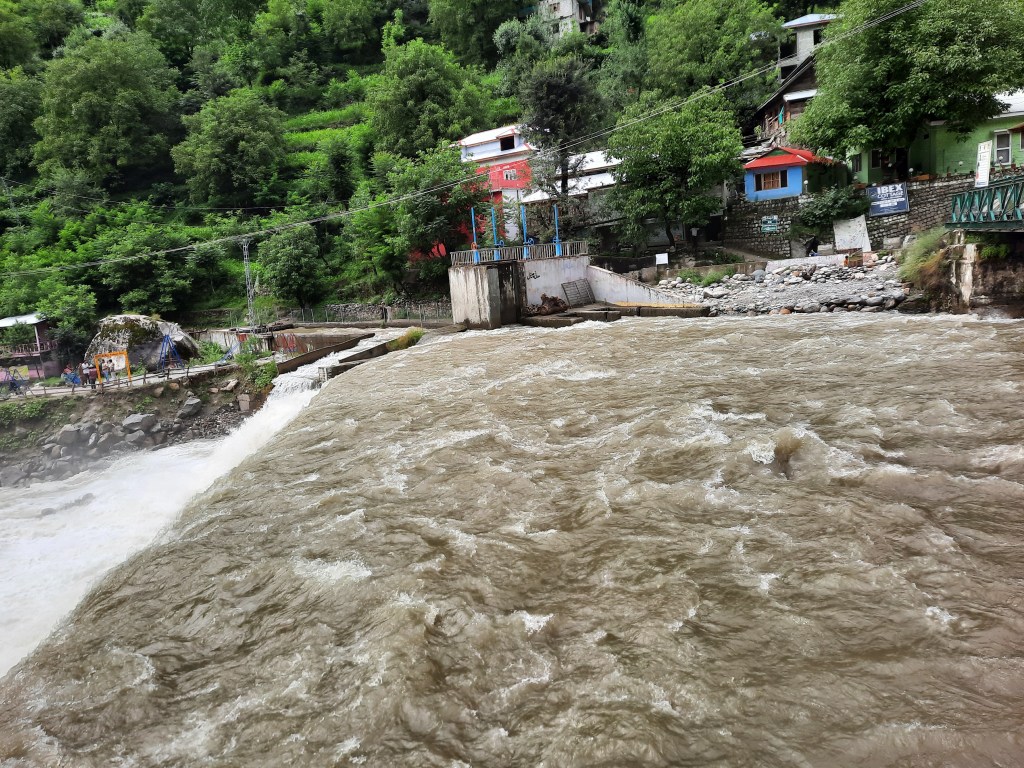
The floods in Himachal Pradesh and Uttarakhand in 2023 were significant environmental disasters, characterized by heavy rainfall leading to landslides and flooding.
Causes of the Disaster:
- Monsoon Rains: The primary cause of these floods was intense monsoon rains. The Indian monsoon is known for its heavy rains, which can lead to flooding, especially in hilly and mountainous areas like Himachal Pradesh and Uttarakhand.
- Geographical Vulnerability: The topography of these states, with steep slopes and narrow valleys, makes them particularly susceptible to landslides and flash floods.
- Deforestation and Land Use Changes: Deforestation for agriculture, construction, and other developmental activities can exacerbate the risk of landslides and floods. The removal of vegetation cover and alteration of natural drainage patterns increase the vulnerability of these regions to flooding.
- Climate Change: Climate change is also playing a role in intensifying the monsoon and making extreme weather events like heavy rainfall more common and unpredictable. This has been observed as a contributing factor to the increasing frequency and intensity of floods in the region.
- Poor Infrastructure and Planning: inadequate infrastructure and lack of proper urban planning for flood prevention and management worsened the impact of such natural disasters.
The combination of these factors contributes to the severity of the flooding events in Himachal Pradesh and Uttarakhand. These floods not only cause immediate harm in terms of lives lost and property damaged but also have long-term effects on the livelihoods of people, the economy of the region, and the environment.
Efforts to mitigate such disasters often focus on improving environmental weather forecasting, implementing better land-use and planning policies, strengthening infrastructure, and enhancing community awareness and preparedness.
Uttarakhand Tunnel Incident

The Char Dham project, initiated by the Union surface transport ministry, aims to widen approximately 900 kilometers of highways connecting four holy sites in Uttarakhand – Yamunotri, Gangotri, Kedarnath, and Badrinath. Proponents of the project argue that it will provide round-the-year, hassle-free travel to these shrines. However, environmentalists and other experts have raised concerns about the impact of such large-scale construction in a fragile ecosystem like the Himalayas.
The incident on November 12, 2023, involved the collapse of a section of the under-construction tunnel between Silkyara and Barkot on the Yamunotri-Gangotri national highway. The collapse trapped a large group of workers inside the tunnel. The rescue operations were challenging due to the condition of the soil and the location of the collapse. Specialized boring machines and teams of experts were deployed to facilitate the rescue. Despite these challenges, the workers were eventually rescued and reported to be in good health, and were airlifted to AIIMS Rishikesh for further assessment.
An expert committee has been formed by the government of Uttarakhand to investigate the cause of the tunnel collapse. Preliminary findings by the National Highways Authority of India (NHAI) suggested that the collapse might have been caused by a geological fault, known as a “shear zone.” This incident has led to a safety audit of all 29 tunnels under construction across the country.
The Char Dham highway project has been criticized for allegedly bypassing necessary environmental impact assessments and for its potential to exacerbate ecological damage, including increasing the risk of landslides. The project was broken into smaller segments to evade the necessity of environmental impact assessment, which is mandatory for projects over 100 kilometers. Critics argue that without a proper environmental impact assessment, the design and construction of the project do not take into account the unique environmental challenges of the Himalayan region.
This tunnel collapse and the controversies surrounding the Char Dham project highlight the complex interplay between development needs and environmental conservation, especially in ecologically sensitive areas like the Himalayas. It underscores the need for careful planning, thorough impact assessments, and responsible development practices to safeguard both the environment and the lives of those working on such projects
Chennai Floods
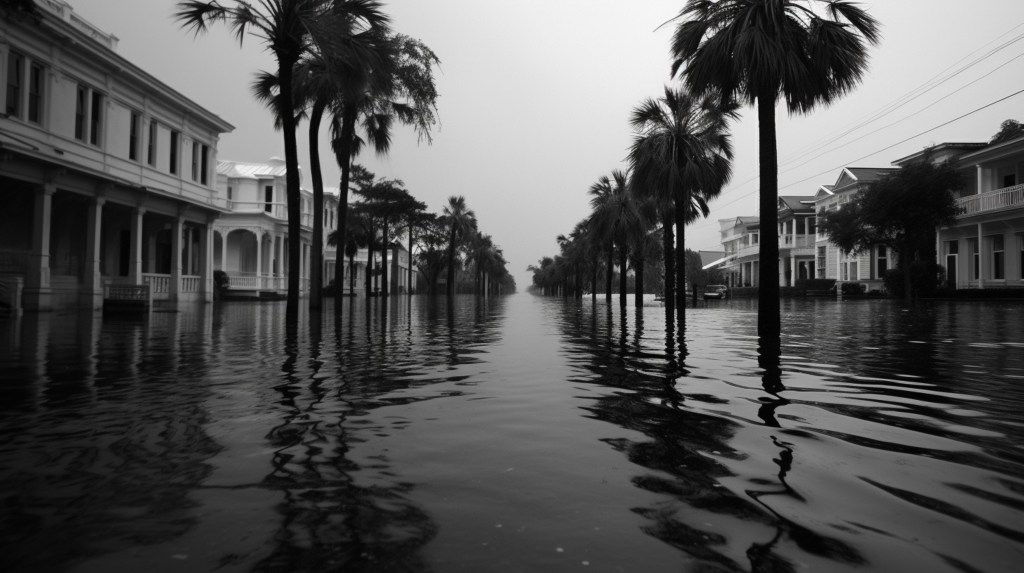
The floods in Chennai in 2023 were a result of a combination of factors, including natural events and human-induced vulnerabilities. The primary cause of the floods was attributed to unexpected high spells of rainfall due to Cyclone Michaung and the incomplete rainwater drainage works in the city. This situation was exacerbated by the fact that only 60% of the rainwater drainage works were complete in Chennai at the time. Had the drainage systems been fully operational, the impact of the floods might have been significantly mitigated.

Another major factor contributing to the flooding in Chennai is the extensive urbanization and unplanned area development in the city. About half of the 19 major water bodies in Chennai have been encroached upon, severely limiting the city’s surface water storage potential and its ability to mitigate the impacts of extreme weather events. This environmental degradation has not only led to widespread damage and loss to the economy and livelihoods but also increased the vulnerability of industrial enterprises and residents, especially those living in substandard housing in flood-prone zones.
Chennai’s location on the southeast coast of India, its relatively low and flat topography, and the presence of major rivers like Adyar, Cooum, and Kosasthalaiyar contribute to its susceptibility to flooding. The city has faced more frequent and intense flood and drought extremes in the past decade. The Climate Change Vulnerability Index of 2021 ranks Chennai as highly exposed to climate change-related threats, including rising sea levels and coastal vulnerability.
The rescue and relief operations during the floods included evacuation of stranded inhabitants and animals, delivering food, and clearing debris like fallen trees. However, the aftermath saw prolonged water stagnation, power cuts, and significant damage to infrastructure and homes. The floods disproportionately affected the poor and marginalized communities, who faced loss of homes, livelihoods, and cramped conditions in rescue camps.
The flooding in Chennai underscores the need for better city planning and infrastructure to handle intense rainfall and wind pressure. While there have been efforts to improve the stormwater drainage system, these measures are insufficient to prevent flooding during extremely heavy rains. Environmental activists have also pointed out the need for responsible urban planning that takes into account the city’s unique environmental challenges and the looming threat of natural disasters.
In response to the floods, the Tamil Nadu government has begun creating a master plan focusing on the problems faced by the state in this disaster. Efforts are also being made to enhance Chennai’s drainage systems and establish early flood warning mechanisms, with support from international bodies like the World Bank. However, there is a growing recognition of the need for more comprehensive strategies that include both structural and non-structural measures, prioritizing sustainable solutions to address the recurring flood challenges in Chennai.
Odisha Floods
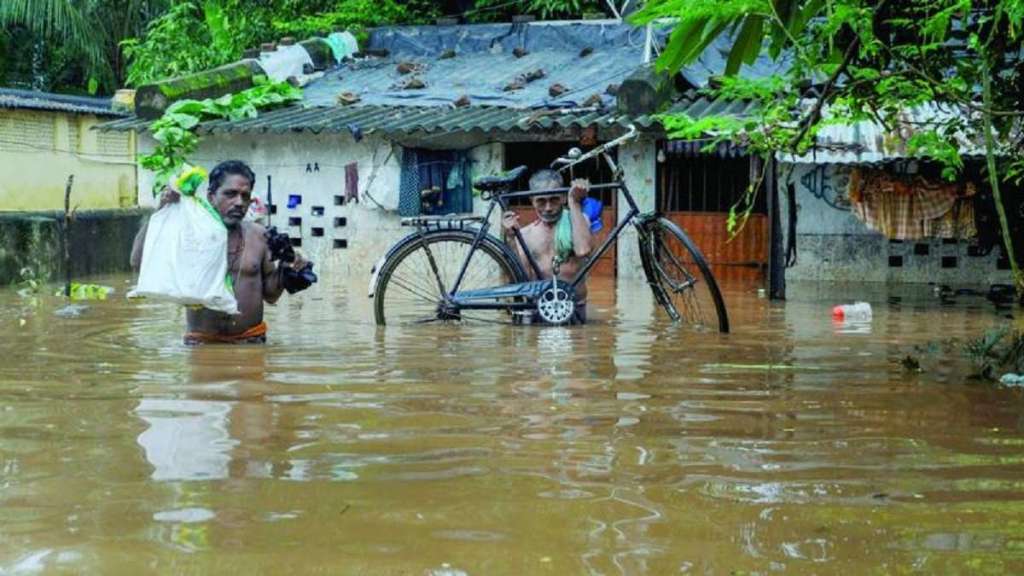
In 2023, Odisha faced significant flooding and heavy rains impacting over 4.11 lakh people across 11 districts. The floods, primarily caused by torrential rains, affected a vast number of villages and urban localities. Key rivers like Baitarani and Mahanadi were involved. The deluge led to substantial water-logging and damaged infrastructure, including breaches in river embankments. Numerous houses were damaged and tens of thousands of people had to be evacuated. The floods also had a considerable impact on agricultural areas, highlighting the extensive damage caused by these natural disasters in the region.
Current Steps Taken by the Indian Government
- Himachal / Uttarakhand Floods and Chennai Floods:
- Infrastructure Development: Enhancing flood management infrastructure like dams, embankments, and drainage systems.
- Weather Forecasting and Early Warning Systems: Implementing advanced meteorological technologies for timely weather predictions and warnings.
- Urban Planning and Zoning: Enforcing regulations to prevent construction in high-risk areas and promoting sustainable urban development.
- Disaster Preparedness and Response: Establishing emergency response protocols and conducting drills to improve community preparedness.
- Uttarakhand Tunnel Incident:
- Safety Audits and Regulations: Conducting safety audits of infrastructure projects, particularly in ecologically sensitive zones like the Himalayas.
- Investigations and Compliance Checks: Setting up expert committees to investigate incidents and ensure compliance with environmental regulations.
- General Initiatives:
- National Disaster Management Authority (NDMA): Implementing policies and frameworks for disaster risk reduction.
- Environmental Impact Assessments (EIA): Mandatory EIA for large projects to assess and mitigate environmental risks.
- Community Engagement Programs: Raising awareness and educating communities about disaster risks and preparedness.
Additional Measures Required for Mitigation
- Ecosystem and Biodiversity Conservation:
- Strict Enforcement of Forest Conservation: Implementing and enforcing stricter forest conservation laws to prevent deforestation and habitat destruction.
- Restoration of Ecologically Sensitive Areas: Initiatives to restore ecosystems in areas like the Western Ghats, Himalayas, and coastal regions.
- Urban and Rural Resilience Building:
- Integrated Urban Water Management: Developing comprehensive plans for urban water management, including rainwater harvesting, floodplain zoning, and reviving traditional water bodies.
- Resilient Rural Infrastructure: Strengthening rural infrastructure to withstand extreme weather, including resilient agricultural practices.
- Technological and Scientific Advancements:
- Investment in Research and Development: Focusing on research in climate science, sustainable engineering, and disaster management technologies.
- Use of Satellite Data and GIS: Expanding the use of satellite imagery and geographic information systems for real-time monitoring and planning.
- Policy and Institutional Strengthening:
- Climate Action Policies: Implementing comprehensive climate action policies that align with international commitments like the Paris Agreement.
- Decentralized Disaster Management: Empowering local bodies and communities with resources and authority for localized disaster management.
- Public Awareness and Education:
- Community-Based Programs: Enhancing public awareness through community-based programs focusing on disaster risk reduction and climate change adaptation.
- Inclusion in Educational Curricula: Integrating environmental education and disaster management into school and university curricula.
- International Cooperation and Funding:
- Leveraging International Expertise and Funds: Collaborating with international organizations for technical expertise and funding in disaster risk reduction and environmental management.
- Adapting Best Practices: Learning from global best practices in disaster management and environmental conservation.
Article by Shubham Rattan
 the Roots
Leave a comment