According to the Ontario Society of Professional Engineers (2016), improperly managed excess soil from construction contributes significantly to greenhouse gas emissions due to transportation. This also leads to increased wear and tear on roads and contributes to traffic congestion. These factors not only harm the environment but also increase project costs, primarily affecting municipalities and, by extension, taxpayers.
There has been a significant level of unawareness about soil management requirements in Ontario, leading to non-compliance with the regulation. This unawareness, combined with a rushed approach to project initiation and soil movement, can lead to improper soil sampling and characterization, potentially resulting in environmental harm.
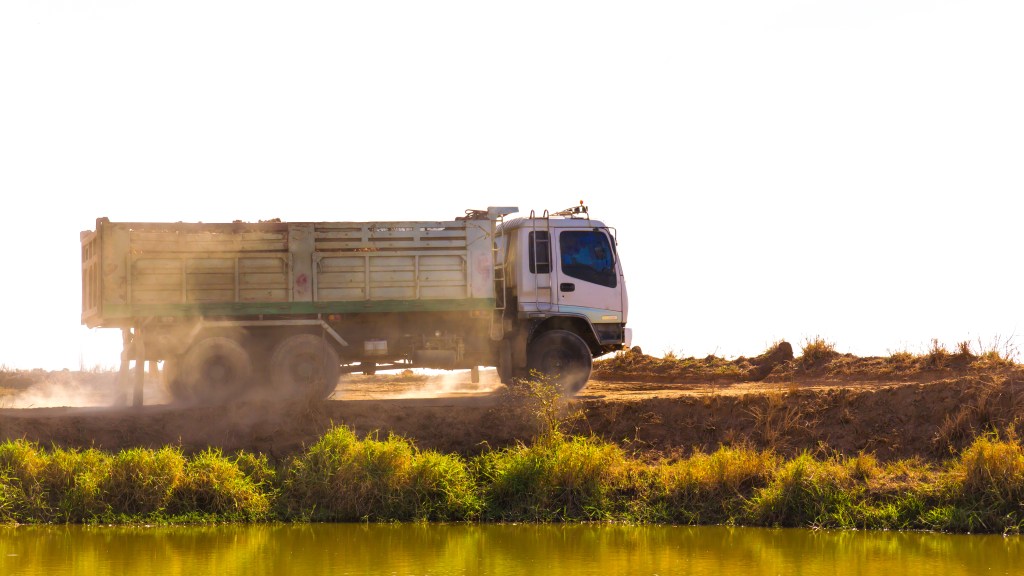
Challenges in Soil Relocation and Reuse: There is a lack of suitable options for relocating marginally impacted soils. This gap in soil management infrastructure can lead to suboptimal environmental outcomes. For instance, soils that are marginally impacted (such as those meeting Table 2 quality standards in Ontario) often lack appropriate reuse or fill sites, resulting in potential environmental risks (Walsom, 2021).
The adoption of best practices as outlined by the Ontario Ministry of the Environment, Conservation, and Parks aims to reduce soil sent to landfill, minimize greenhouse gas emissions from soil transportation, and ensure strong environmental protection. However, transitioning to these practices requires significant adjustments in the construction and development industry, which may face challenges in redefining roles and responsibilities under the new regulation.
The development of O.Reg 406/19 was informed by global trends in sustainable soil management. This regulation underscores the importance of treating excess soil as a resource, aligning with the principles of the circular economy. (Magnusson, Lundberg, Svedberg, & Knutsson, 2015).
Policy effectiveness
The regulation, which came into effect on January 1, 2023, introduces new risks and legal requirements for property owners, developers, and contractors. This indicates a significant shift in how excess soil is managed, promoting sustainability and proper soil management practices. It aims to maximize the reuse of soil on-site or for beneficial purposes, addressing issues like water quality, agricultural areas, and human and environmental health. The regulation also brings benefits like decreasing greenhouse gas emissions, reducing illegal dumping, and saving costs associated with transporting and landfilling excess soil.
The regulation mandates that excess soil be managed according to specific guidelines. This includes tracking and recording the movement of excess soils from a source site to a reuse site, which may involve testing, reporting, and registration. This shows a concerted effort to improve soil management practices, thereby potentially improving environmental outcomes.
The regulation has undergone amendments, indicating responsiveness to industry feedback and practical challenges. For instance, the MECP proposed amendments to remove reuse planning requirements, including registration, sampling, and tracking, for excess soil moved from lower-risk projects. This suggests a balancing act between stringent environmental protection and practicality for project leaders and contractors.
Implementation of Soil Registry and Documentation Requirements: As of January 1, 2023, the regulation requires parties involved in construction and development to file notices to the soil registry about how they reuse and dispose of excess soil. This includes a comprehensive set of documentation requirements aimed at ensuring accountability and proper management of soil (Refined Data Solutions, 2023).
Sustainability Implications of O.Reg 406/19
O.Reg 406/19 represents a significant policy initiative aimed at transforming soil management practices in Ontario. This regulation addresses the critical issue of excess soil—often a byproduct of construction and development projects—by establishing guidelines for its sustainable handling, reuse, and disposal.
Soil Quality Assessment: Central to this regulation is the comprehensive assessment of soil quality. This involves rigorous testing for contaminants to ensure the soil’s suitability for its intended new use, be it in construction, landscaping, or rehabilitation projects. The categorization of soil based on its quality is pivotal, enabling a clear distinction between soil that can be beneficially reused and that which requires disposal. This systematic approach not only helps in safeguarding environmental health but also in promoting the efficient use of resources.
The regulation introduces a robust tracking and documentation system for soil movement. This system demands detailed recording of the soil’s origin, its destination, and the transportation route. Such meticulous documentation is crucial in maintaining transparency in soil management practices, preventing illegal dumping, and ensuring that the soil is used in environmentally safe and beneficial ways. Alongside, the regulation sets stringent disposal standards for non-reusable soil, while encouraging the reuse of soil that meets environmental safety standards. By doing so, O.Reg 406/19 effectively shifts the narrative around excess soil from being a waste material to a valuable resource, encouraging innovation in soil reuse and contributing to the circular economy.
According to a report by The Environment Journal (n.d, 2022), over seven million cubic meters of soil were tracked for compliance with O.Reg 406/19 through SoilFLO, a platform for tracking and managing soil movement. This soil was used for beneficial reuse in various projects, including quarries, developments, municipal construction, lakefills, and habitat restorations. The regulation has led to significant investments from companies to meet new standards, and it has been observed that it has fostered a more transparent market, reducing travel distances for soil movement and promoting more pragmatic approaches to soil management.
An estimated 25 million cubic meters of excess soil are generated annually in Ontario, primarily from construction excavation. The recent regulatory changes aim to maximize the reuse of this soil on-site or for beneficial purposes. If not managed properly, excess soil can negatively impact water quality, agricultural areas, and human and environmental health. The regulation aims to decrease greenhouse gas emissions by minimizing soil removal and transport, reduce illegal dumping, limit road damage, decrease the amount of reusable soil going to landfills, and save costs associated with transporting and landfilling excess soil.
We suggest while the regulation promotes the reuse of soil, it may inadvertently lead to increased carbon emissions. For instance, if a reuse site is significantly farther than a disposal site, transporting soil to the reuse site could result in higher carbon emissions compared to local disposal. This raises questions about the overall environmental benefit in certain scenarios. There’s also the potential for indirect environmental consequences. For example, if the regulation leads to increased transportation of soil over longer distances, this could contribute to traffic congestion, air pollution, and wear and tear on infrastructure.
The regulation, aimed at sustainable soil management, echoes with challenges similar to those in New York City, where urban construction produces significant surplus soil, often landfilled, causing environmental and economic impacts. In contrast, a circular urban materials metabolism approach, like New York’s urban soil bank, suggests retaining and reusing surplus soil within cities to reduce carbon footprints and improve sustainability. This approach is aligned with studies advocating for the recycling and reuse of urban surplus soil to meet rising demand for urban earthworks projects. (Walsh et al., 2018).
The case of Ontario, with its focus on excess soil regulation, presents an opportunity to integrate these insights, balancing environmental stewardship with socio-economic considerations. This involves not only promoting soil reuse but also addressing consumer costs and ensuring broad public benefits. The regulation’s implications for urban sustainability, resource efficiency, and economic impacts should be carefully evaluated against these broader environmental policy lessons and challenges.
Public Engagement and Participation in Policy Implementation
Ballet et al. (2020) underscored the significance of the social pillar in sustainable development, characterized by social cohesion, equity, and safety. This framework aligns with Khatibi et al.’s (2020) findings, which highlight the strong correlation between public awareness, knowledge, and engagement in environmental policy. In the context of O.Reg 406/19, this suggests that effective public engagement must address both the environmental specifics of soil management and the broader social implications.
Safety is a critical aspect of social sustainability, focusing on protection from economic and environmental shocks. In relation to O.Reg 406/19, this suggests that public awareness should encompass not only the technical aspects of soil management but also the broader implications for community safety and resilience.
Key barriers to public engagement in environmental policy, include lack of knowledge and resistance to power redistribution. There is the need to address biases in implementing sustainable development policies, emphasizing the integration of social precautionary principles, redistribution/participation, and social protection in policymaking. Addressing these barriers is essential for the successful implementation of O.Reg 406/19, ensuring that public engagement is informed, equitable, and effective.
Social cohesion in the context of O.Reg 406/19 is about ensuring that the community not only has access to information but also understands and appreciates its significance. The public availability of excess soil reports and the soil registry are excellent starting points. However, the challenge lies in translating this availability into actual engagement and understanding. This means taking steps to ensure that the information in these reports and registries is accessible in a user-friendly format, avoiding technical jargon, and providing summaries or guides that can be easily understood by non-experts. Workshops, community meetings, and online forums could be effective in disseminating this knowledge, fostering a community spirit where individuals feel empowered to contribute to sustainable soil management practices.
Equity in access to information goes beyond making reports and registries publicly available. It involves proactive efforts to ensure that all segments of the community, regardless of their background, education, or access to technology, have equal opportunities to access and understand this information. This could involve multilingual resources, outreach programs in less accessible communities, and the use of diverse media platforms to reach wider audiences. By addressing these disparities in access, O.Reg 406/19 can be implemented in a way that is inclusive and equitable.
Effective implementation is an opportunity to align social and environmental objectives. This alignment can be achieved by demonstrating how responsible soil management contributes to broader community well-being, including health, environmental quality, and economic benefits. Community engagement activities can highlight these connections, helping to bridge the gap between the regulation’s technical environmental aspects and the social benefits it brings. This approach not only increases public support for the regulation but also reinforces the concept of sustainable development as an integrative process.
Addressing implementation biases involves recognizing and actively responding to the diverse needs and concerns of different community groups. This means acknowledging that certain groups may have influence over policy implementation and taking steps to balance this dynamic. Ensuring that community feedback is not only solicited but also visibly integrated into policy adjustments can help in overcoming these biases.
Policy Alternatives and Innovation in Soil Management
Bünemann et al. (2018) discuss innovations could include more advanced biological, chemical, and physical soil quality tests that provide a clearer and more comprehensive understanding of soil health. This critical review highlights the complexity and multidimensionality of soil quality, emphasizing the need for a comprehensive approach to its assessment. By adopting more sophisticated and nuanced techniques for biological, chemical, and physical soil analysis, the regulation could benefit from a deeper understanding of soil health and contamination. Such advancements in soil quality assessment, as suggested by the critical review, would allow for more accurate categorization of excess soil, ensuring that it is managed in a manner that is both environmentally responsible and aligned with the sustainability goals of the regulation. The current regulation does not require Biological parameters for soil quality analysis, adding these comprehensive parameters could enhance the effectiveness of the regulation.
Implementing these advanced techniques could lead to more accurate categorization of excess soil, ensuring appropriate and sustainable reuse or disposal.
Emphasis should be placed on developing a standardized protocol for soil assessment that incorporates these advanced techniques, making the process more uniform and reliable across different sites and projects. This approach can help identify previously unrecognized contaminants or soil characteristics that could impact its safe reuse, thereby enhancing the environmental protection objectives of O.Reg 406/19.
The regulation’s stringent requirements for soil testing, tracking, and documentation can impose significant costs, especially on smaller construction firms. We suggest that this could potentially slow down development projects or increase construction costs, impacting the economy. The complexity of the regulation will lead to compliance challenges, particularly for smaller businesses that may lack the resources or expertise to fully adhere to the new requirements. This could lead to unintentional non-compliance or even discourage some stakeholders from participating in development projects.
Alternative Policy Approaches
Canada does not have a comprehensive national soil policy, but it operates under a framework of incentives, nonbinding guidelines, and binding regulations that collectively govern soil management across its provinces and territories. This framework comprises various aspects, such as soil quality guidelines and standards set by the Canadian Council of Ministers of the Environment and the Federal Contaminated Sites Action Plan for managing polluted sites under federal responsibility. However, these measures are not as comprehensive or unified as a single national policy.
For instance, the Canadian approach involves applying non-binding guidelines and incentives mainly in agriculture, while binding regulations come into play when dealing with polluted soils. This distinction is important when considering policy alternatives for O.Reg 406/19. The existence of specific guidelines for different chemicals, as well as the Canada-wide Standards for Petroleum Hydrocarbons, suggests a more fragmented approach that could be streamlined or made more comprehensive.
Learning from this, one potential policy alternative for Ontario could be the development of a more integrated and comprehensive soil management policy. Such a policy could include more uniform standards across different types of soil uses and contaminants, similar to what might be found in a national policy. It could also incorporate some of the innovative approaches from the Canadian Chemicals Management Plan, like the risk assessment and management strategies for chemical substances and apply these principles to soil management.
There’s an opportunity for O.Reg 406/19 to emphasize more on preventive measures and proactive soil conservation, similar to the approaches seen in Germany’s Soil Protection Act. This could involve integrating soil conservation strategies into various land use and development projects, ensuring a more sustainable approach to soil management.
Germany’s Soil Protection Act focuses on preventing soil degradation (Ginzky, 2021). Ontario could integrate similar proactive measures in O.Reg 406/19, such as stricter controls on soil disturbance and enhanced soil quality standards for different land uses, ensuring a preventive approach to soil conservation and management.
Incorporating the Dutch ‘Building with Nature’ Concept: The Netherlands employs an innovative ‘Building with Nature’ strategy, which integrates environmental stewardship into construction projects. Ontario could adopt this by mandating that development projects incorporate natural soil management techniques, like using native vegetation for erosion control and soil stabilization, thereby reducing the need for excess soil transport and disposal (Renting & Van Der Ploeg, 2001).
Policy improvements
Enhancing Expertise and Training for Project Leaders: Given the increased responsibility placed on Project Leaders under the new regulation, there could be a focus on providing more training and resources to these individuals. This could include workshops, detailed guides, and consultancy services to ensure they are well-equipped to meet the regulatory requirements.
Development of Soil Management Sub-Industries: The regulation could spur the development of specialized sub-industries for soil processing and management. Encouraging the growth of these industries could provide more options for Project Leaders, particularly in managing non-hazardous contaminated soils.
Offering incentives for projects that implement innovative soil management practices could encourage more sustainable and efficient approaches. These incentives could be in the form of tax breaks, grants, or recognition programs.
Implementation Barriers and Overcoming Strategies
One of the most significant barriers to implementing could be the financial burden it places on stakeholders, particularly smaller construction firms and municipalities. Complying with the regulation’s requirements for soil testing, tracking, and documentation can be costly. This financial burden might discourage compliance, particularly among smaller entities with limited resources.
The regulation requires detailed tracking and documentation of soil movement, which can be a logistical challenge. Ensuring that all stakeholders have access to and can effectively use the necessary technology for tracking can be difficult, especially in more remote or less technologically advanced areas.
Lack of awareness or understanding of the regulation among stakeholders, including construction companies, property developers, and the general public. Resistance to change, especially if stakeholders perceive the regulation as overly burdensome or unnecessary, can also be a significant barrier.
The regulation’s complexity could be a barrier in itself. Understanding and navigating the various requirements can be challenging, especially if there are ambiguities in the regulation’s language or if it lacks clarity in certain areas.
Effective implementation of O.Reg 406/19 requires coordination among various stakeholders, including government agencies, construction firms, environmental groups, and local communities. Ensuring effective communication and collaboration among these diverse groups can be challenging.
Monitoring and enforcement can be resource-intensive, and there are challenges in consistently enforcing the regulation across different regions and projects.
Firstly, we recommend the establishment of financial assistance programs, such as grants or subsidies, could be instrumental in supporting smaller construction firms and municipalities. These programs could cover a portion of the costs associated with soil testing and transportation, making compliance more financially feasible. Furthermore, incentivizing compliance through tax breaks or reduced regulatory fees could serve as a motivator for stakeholders to adhere to the regulation. Lastly, fostering public-private partnerships can lead to shared responsibilities and costs. These partnerships can tap into private sector innovation and efficiency, potentially reducing overall compliance costs while still achieving the desired environmental outcomes.
Tailored awareness campaigns are essential, which could include seminars, informational brochures, and interactive online platforms, all designed to educate stakeholders about the importance and benefits of sustainable soil management. Regularly scheduled workshops and training sessions can help stakeholders understand the technical aspects of the regulation and best practices for compliance.
References
Bünemann, E. K., Bongiorno, G., Bai, Z., Creamer, R. E., De Deyn, G., de Goede, R., Fleskens, L., Geissen, V., Kuyper, T. W., Mäder, P., Pulleman, M., Sukkel, W., van Groenigen, J. W., & Brussaard, L. (2018). Soil quality – A critical review. Soil Biology and Biochemistry, https://doi.org/10.1016/j.soilbio.2018.01.030
Walsh, D., McRae, I., Zirngibl, R., Chawla, S., Zhang, H., Alfieri, A., Moore, H., Bailey, C., Brooks, A., Ostock, T., Pong, S., Hard, T., Sullivan, C., & Wilding, J. (2018). Generation rate and fate of surplus soil extracted in New York City. Science of the Total Environment. https://doi.org/10.1016/j.scitotenv.2018.09.284
Magnusson, S., Lundberg, K., Svedberg, B., & Knutsson, S. (2015). Sustainable management of excavated soil and rock in urban areas – A literature review. Journal of Cleaner Production, 93, 18-25. https://doi.org/10.1016/j.jclepro.2015.01.010
Ginzky, H. (2021). Soil Protection Governance in Germany. In International Yearbook of Soil Law and Policy (Vol. 2019). Springer. https://doi.org/10.1007/978-3-030-52317-6_15
Renting, H., & Van Der Ploeg, J. D. (2001). Reconnecting nature, farming and society: Environmental cooperatives in the Netherlands as institutional arrangements for creating coherence. Journal of Environmental Policy and Planning, 3(2), 85-101. https://doi.org/10.1002/jepp.75
Walsom, G. (2021, December 9). Soil Management in Ontario: The Good, the Bad and … maybe the Ugly? GEOSOLV. https://geosolv.ca/soil-management-in-ontario-the-good-the-bad-and-maybe-the-ugly-2/
Refined Data Solutions. (2023, February). Ontario’s On-Site and Excess Soil Management Regulation – 2023. Retrieved from https://refineddata.com/2023/02/ontarios-on-site-and-excess-soil-management-regulation-2023/
The Environment Journal. (n.d.). Excess Soils: A New Era in Regulation and Resource Recovery. Retrieved from https://environmentjournal.ca/excess-soils-a-new-era-in-regulation-and-resource-recovery/
Ontario Society of Professional Engineers. (2016, November 17). Digging up the truth on excess soil management: Soil as a resource, not a waste. https://ospe.on.ca/advocacy/digging-truth-excess-soil-management-soil-resource-not-waste/
Khatibi, F.S., Dedekorkut-Howes, A., Howes, M. et al. Can public awareness, knowledge and engagement improve climate change adaptation policies?. Discov Sustain 2, 18 (2021). https://doi.org/10.1007/s43621-021-00024-z
Ballet, J., Bazin, D., & Mahieu, F.-R. (2020). A policy framework for social sustainability: Social cohesion, equity and safety. Sustainable Development. https://doi.org/10.1002/sd.2092
Shubham Rattan
 the Roots
Leave a comment